Brutalism and Beauty
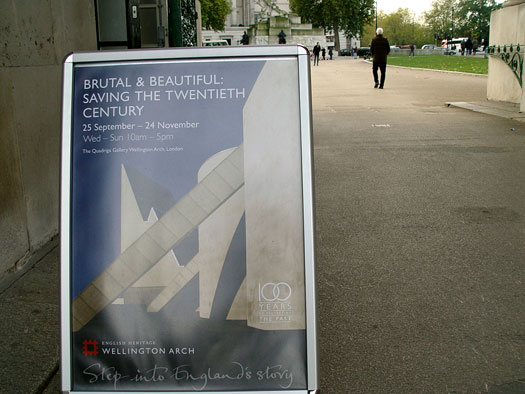
Billed as ‘Brutalism and Beautiful’ - the tagline for the Saving the Twentieth Century exhibition at the Wellington Arch could equally apply to the lovely, lovely English Heritage security chap who helped me out late on Friday.
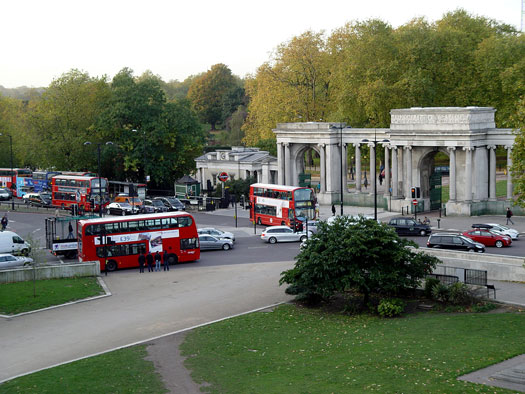
These heritage sites aren’t always the best when it comes to bicycling provision. You may boast a triumphal Georgian arch as a gateway to West London (best not go there…) but you’ve got bugger all when it comes to locking up a Brompton.
Hurrah then for the more beautiful side of Mr Security Chap who *shhh* “broke all the rules” and very kindly offered to store the foldaway deep down below in the out of bounds area of the wonderful Wellington Arch.
Wait! There’s more!
Brilliant though Saving the Twentieth Century was, the highlight of the visit was the charming chat with Mr Security Chap. A superb knowledge of the aims and content of the exhibition, a bit of bicycling conversation, and then the soft sell of English Heritage membership.
Job’s a good ‘un.
But what of the real Brutalism and Beauty itself?
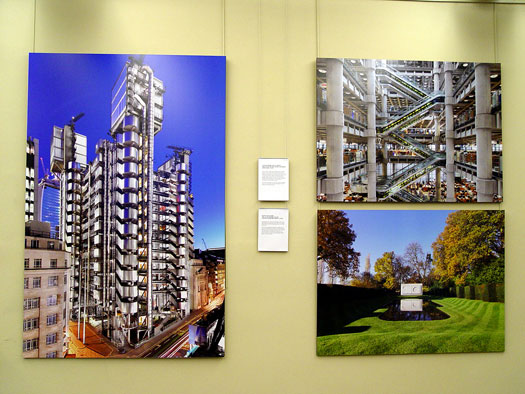
The context for the celebration of all things concrete states how it is 25 years since the first post-War buildings were listed. From prefabs to the Lloyd’s building - Brutalism and Beautiful aims to celebrate those buildings that dare to think differently.
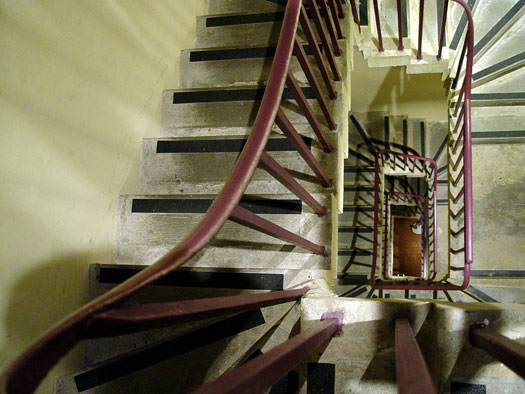
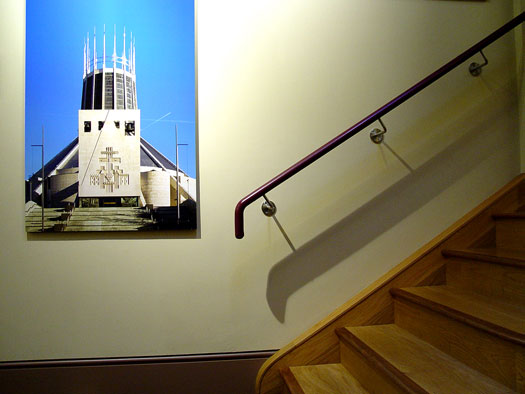
Saving the Twentieth Century starts with the splendour that is climbing the concrete spiral staircase towards the top of Wellington Arch itself. At least it did during my visit with the lifts being out of action.
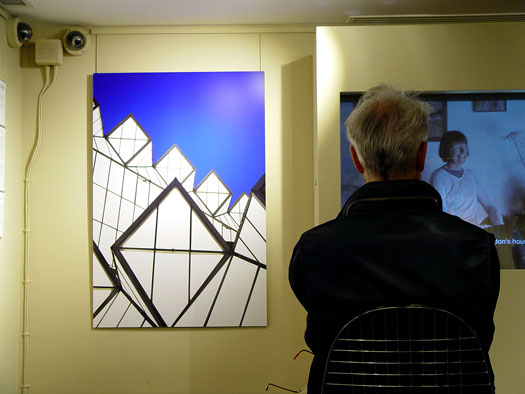
Three spacious rooms within the Wellington Arch are then made available to tell the story of how Britain learned to love Brutalism. We start with the opportunity that the post-War period presented to architects. Here was a chance to build better.
Which leads us to… The Barbican.
Oh Lordy.
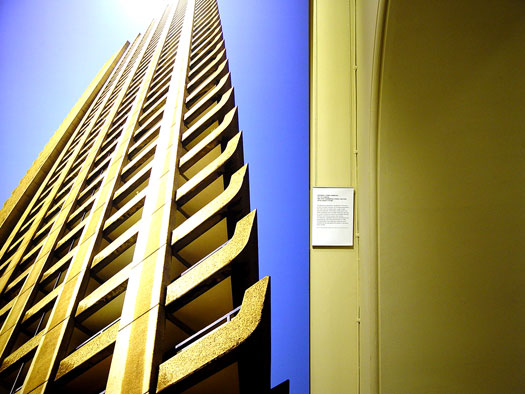
I actually LOVE the bonkers-ness of The Barbican. The towering juts of spiky concrete remind you that the centre of town isn’t all about elegant Georgian archways.
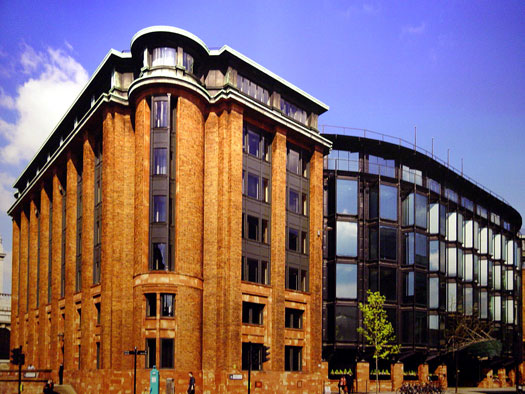
Bracken House also gets a mention, with the pink stone chosen to match the FT tenants. Thank the chuffers that the Green ‘Un newspaper never got round to building such a vanity driven HQ.
The second room in Saving the Twentieth Century is put aside for austerity. We’re all in this together? Only one other visitor was in the Arch during my visit.
“Austerity lent a charm to architecture”
…apparently.
Um, Helloooo! … Strata.
URGH.
The Royal Festival Hall is the fantastic crowning glory for the achievements of the concrete Brutalism movement. The period in the timeline talks of ‘The New Brutalism’ - which I’m sure was a misguided NME movement back in the day.
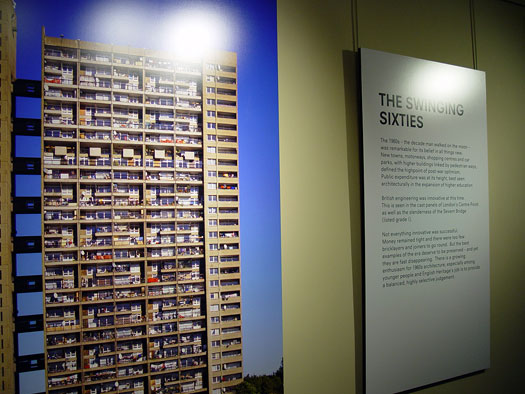
Goldfinger’s ACE Trellick Tower is included, and then we move on to the 1960′s - the high point for post-War optimism. Centre Point is at the centre of this swinging scene. Shame on Crossrail and the architectural vandalism that has led to the removal of the fountains from the front.
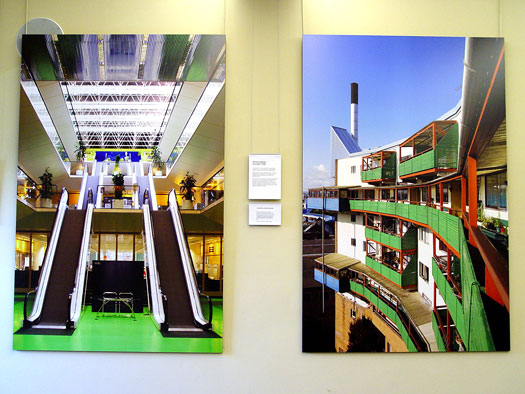
Saving the Twentieth Century concludes with the 70′s and 80′s. There was a reaction against Modernism, with steel, glass and then post-modernism taking over central London.
Oh what high japes.
But Brutalism and Beauty isn’t over yet.
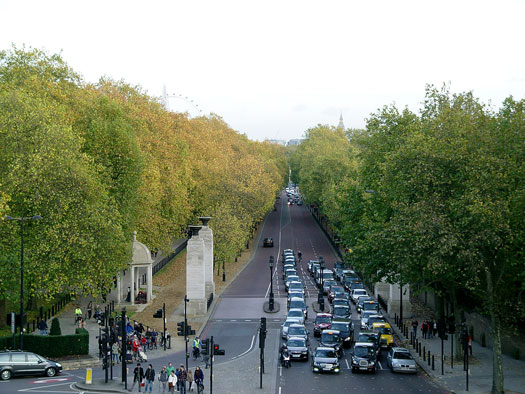
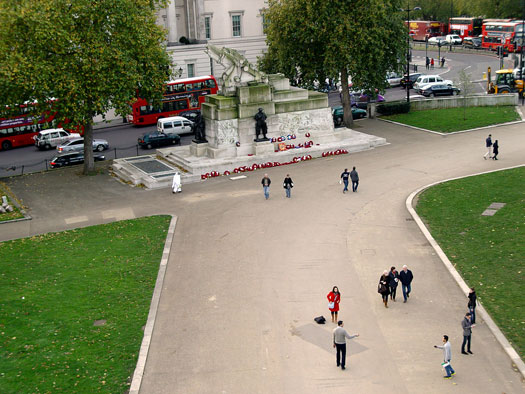
The £4 entrance fee is worth paying alone to simply have access to the roof terrace of the Wellington Arch and a North and South view of London. Eyes left for a dead straight view all the way down Constitution Hill; eyes right for the vanity of VNEB.
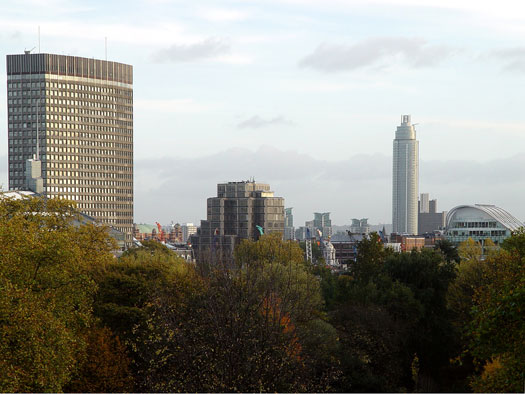
Brutalism and Beauty - they don’t build ‘em like they use to.


No Comments on "Brutalism and Beauty"