Moths: The Morning After
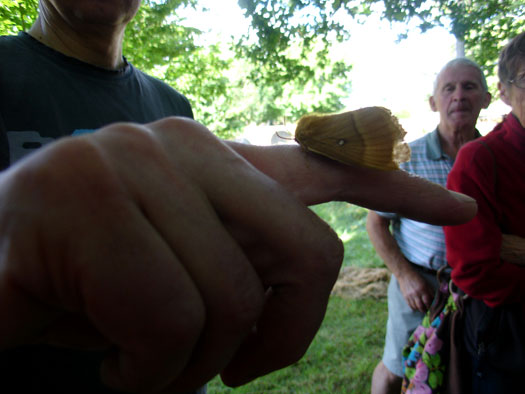
And so a childhood phobia of moths (they’re like WW2 bombers, the little buggers) was finally overcome at the old Wivenhoe Cemetery mid-morning on Saturday.
Well I never.
Re-homing cats, painting Jubilee Jigsaws and POTHOLES - the Wivenhoe Forum can now add to the list the ACE organisation online of the Beautiful Moths and Moths Events as part of the shared community dialogue.
MOTHBALLS, etc.
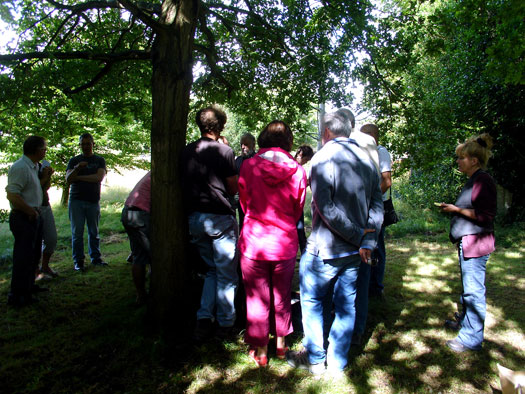
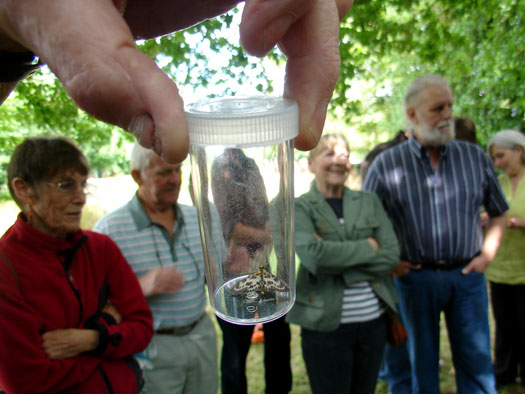
The Wivenhoe Watching Wildlife group (www.www.co.uk ahoy!) attracted an interested audience of over thirty eager moth enthusiasts on Saturday, not to mention the forty-nine moths that made an appearance overnight.
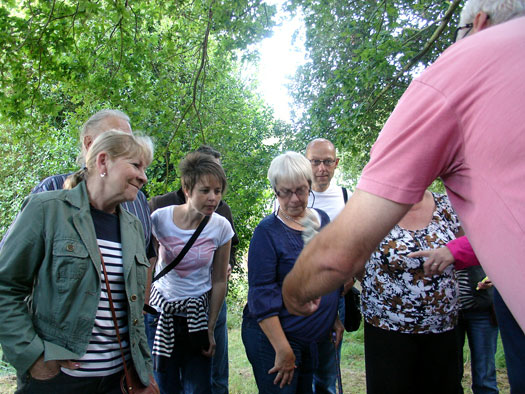
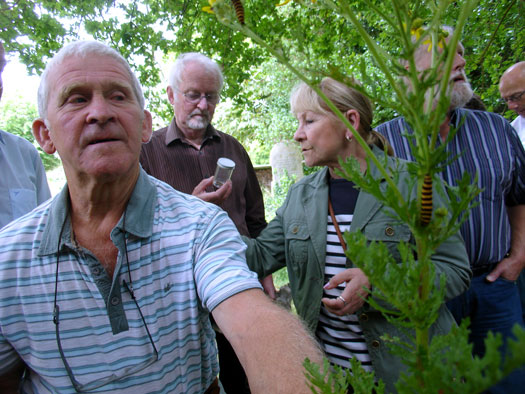
Sometimes it wasn’t entirely clear as to who was observing whom.
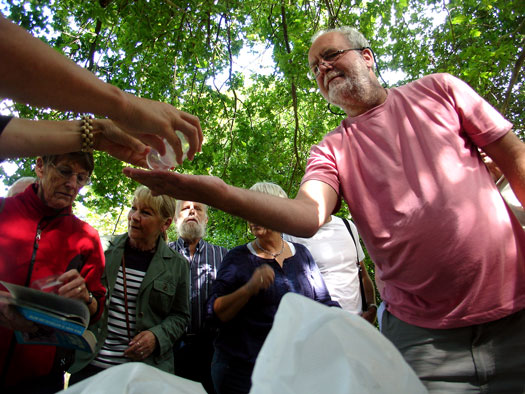
Chris Gibson has been largely responsible for organising the event. With a background in wildlife conservation, it is to the great fortune of the town that someone with such a specialised insight is not only a resident in Wivenhoe, but also more than happy to share his knowledge.
Chris explained:
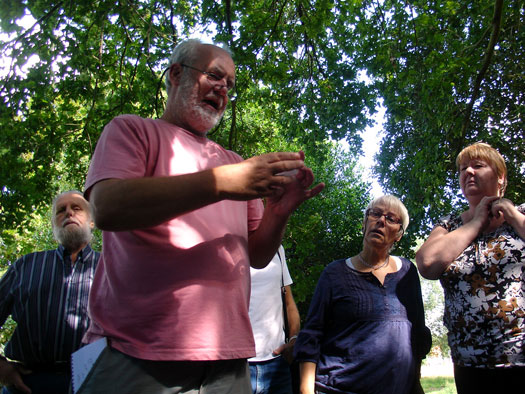
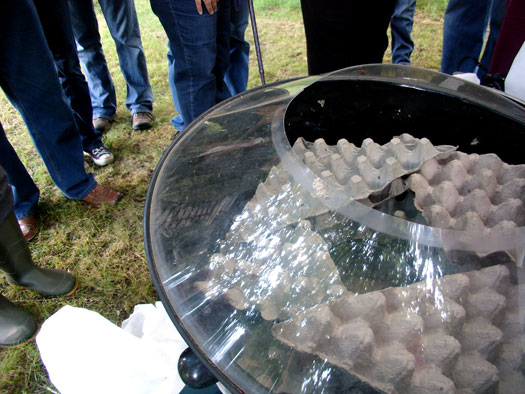
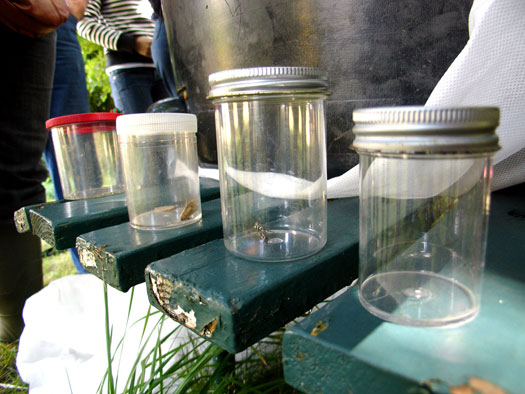
“What we have done over the past day is to run a moth extravaganza in the old Cemetery. At 9pm we had a generator running, we fired up a couple of bright lights to attract in the moths. We attached one of those lights to a trap, trapped the moths, kept them overnight, and then at 10am this morning we have unleashed them.”
Phrases such as “auto digests its own gut lining” and “the scourge of Canvey Island” then formed the dialogue for the Great Escape, as the moths of Wivenhoe were released back into the glorious wild of the ever so slightly overgrown old Cemetery.
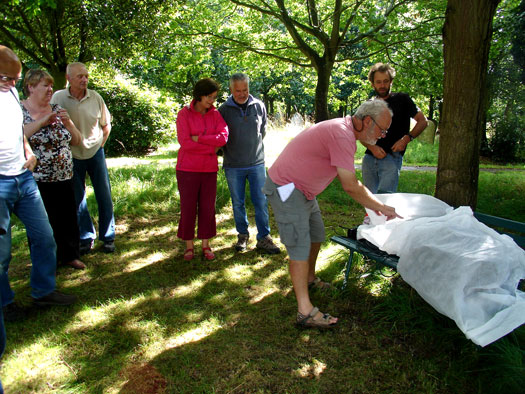
Had the hit and miss hyperlocal weather of late helped the overnight observation?
Chris explained:
“This year has been appalling for moths and other insects because of the dull weather. Population levels are down. There are great concerns for populations of things that feed off moths like bats and birds. Last night the weather came good - we were lucky. It was just about the perfect night, it didn’t fall below 15 degrees all night. This wonderful habitat of the old Cemetery is sheltered. There are lots of things for moths and butterflies to feed on. It is a great place for a moth trap.”
The chase isn’t always better than the kill, so to speak. What of the moths that were uncovered to the Wivenhoe Watching Wildlife crowd on Saturday morning?
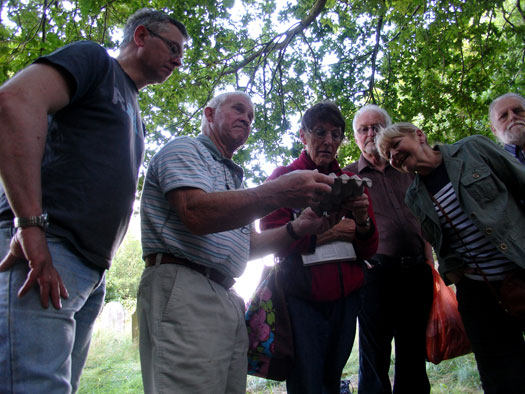
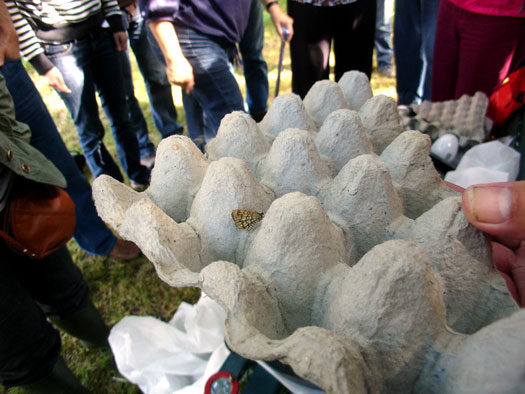
Chris identified just under fifty different species. The BIG Ooohs and Ahhhs always go to the BIG mini-beasts. The large female oak eggar didn’t disappoint.
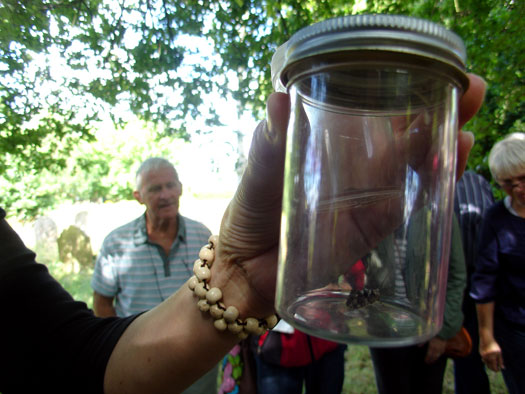
Other members of the informal group also brought in some samples of moths which they had managed to also attract overnight back at base. The old Cemetery soon took the form of a school Show and Tell Friday afternoon session, with much amazement as to the delights that were delivered to the rest of the group.
Chris and other members of the group were keen to emphasis the superb management of the old Cemetery by Wivenhoe Town Council. It is a delicate task in observing respect in such a place of solitude, whilst also encouraging a unique hyperlocal habitat to flourish:
“This is a demonstration of the value of green space in urban areas. It is vindication of the Town Council’s wonderful management of this place. If you’ve not been to the old Wivenhoe Cemetery, for me it is better than Highgate Cemetery. It is the perfect place to take respite from the mad world.”
Following on from the success of the initial WWW launch event at The Nottage back at the start of the year, a similar evening is being planned for late September. Over £400 was raised back then for the Headway charity - WWW is a local group that clearly has a growing interest in the town, and is not afraid to use the shared knowledge to help benefit others:
“We decided that we want to share out enthusiasm for local wildlife and provide a forum for the exchange of sightings and to share our enthusiasm with the wider public. The Wivenhoe Forum provided the ideal leaping off point for setting WWW into the wider community.”
But before I go back to swatting moths against the bathroom wall ahead of brushing my teeth (only joking…) what of the real stars of the evening and morning after event?
The full role call covers:
Larger (Macro) Moths
Marbled Minor; Cloaked Minor; Common Footman; Scarce Footman; Dingy Footman; Oak Eggar; Swallow Prominent; Lesser Broad Bordered Yellow Underwing; Ear Moth; Uncertain; Rustic; Double Square Spot; Black Arches; Buff Ermine; Common Rustic; Clay; Dark Arches; Dun-bar; Straw Underwing; Snout; Dwarf Cream Wave; Least Carpet; Willow Beauty; Small Emerald; SMall Fan-footed Wave; Clouded Silver; Common Carpet; Yellow Barred Brindle; Latticed Heath; Riband Wave; Oak Hook-tip; Maiden’s Blush
Micromoths (some of which don’t have English Names!)
Water Veneer; Agriphila straminella; Garden Grass-veneer; Catoptria falsella; Light Brown Apple Moth; Blastobasis adustella; Eudonia mercurella; Udea prunalis; Cnephasia stephensiana; Endotricha flammealis; Diamond-back moth; Phycita roborella; Mother of Pearl; Codlin moth; Cydia splendana; Bramble-shoot moth; Bryotropha terrella.
You can find out more about future events of the Wivenhoe Watching Wildlife group by following some of the incredibly active and informative threads over on the Wivenhoe Forum.
Phobia overcome, moths are my new best mates.



No Comments on "Moths: The Morning After"